


DNS Sport
DNS Sport - Part 1
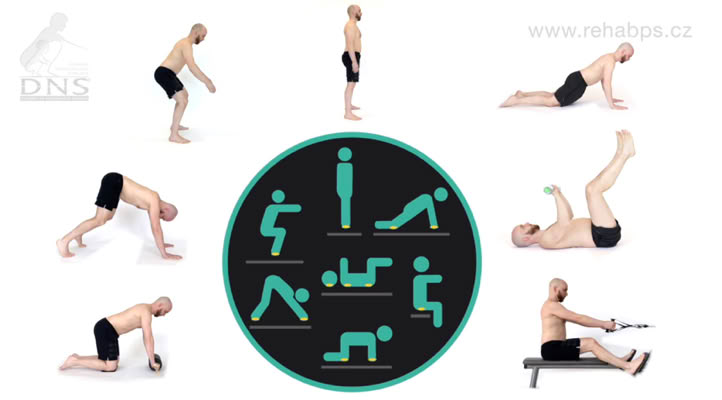
This 42 minute video demonstrates the possibilities of optimal trunk stabilization training and strengthening according to DNS concepts utilizing undifferentiated positions: supine, standing, squatting, bear, quadruped and sitting. Numerous modifications are explained in detail, how to use various aids in the gym and how to distinguish appropriate exercises from typical errors.
The video is an invaluable aid to all athletes, fitness and other sports coaches, as well as to the general population, interested in learning optimal methods of exercise and strengthening. The exercises are described and explained very clearly so that a layman, without professional training, can appreciate the apply them. Finally, healthcare professionals will be able to utilize this video as a tool for everyday work with clients and patients.
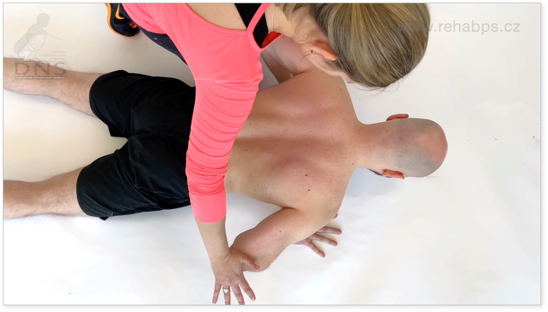

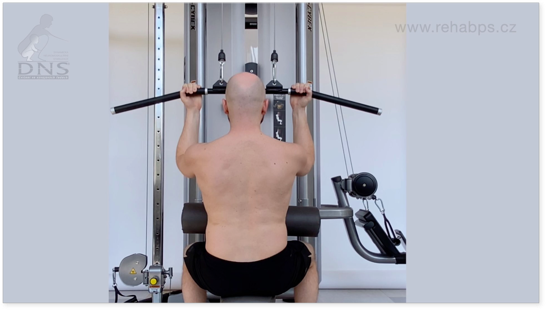
Look for samples from Sport 1 video:
DNS Sport - Part 2
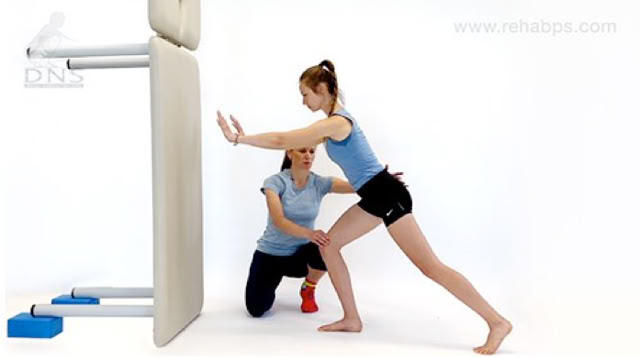
The second part of the 42-minute DNS Sport video focuses on the analysis and training of fundamental movement patterns in dynamic situations, such as walking, running, and turning.
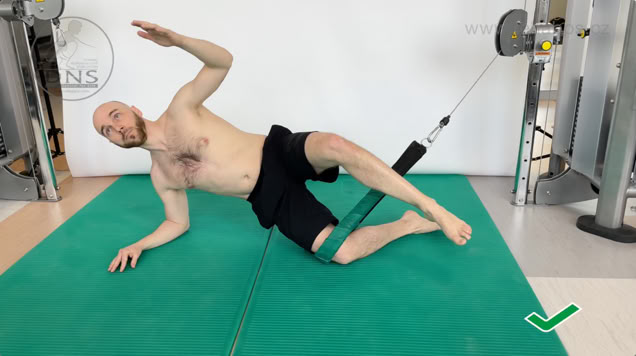
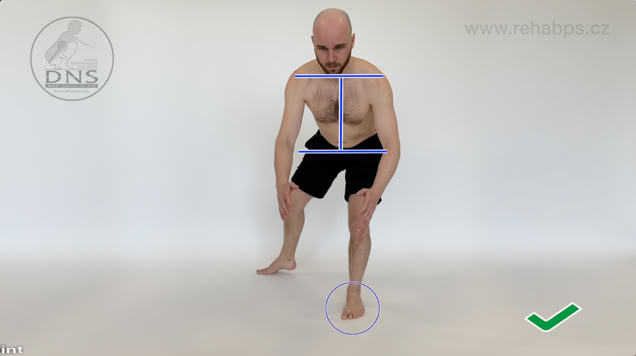
It presents a wide range of exercise variations incorporating resistance and pulling forces to develop strength, improve coordination, and enhance movement efficiency. Particular emphasis is placed on proper exercise technique, control of postural stabilization, identification and correction of common movement compensations, and optimization of muscular coordination.
The aim of these exercises is to restore and develop optimal movement patterns, strengthen trunk stabilization, and improve movement quality and coordination. The presented techniques can be applied in both fitness and sports training, as well as in corrective and preventive exercise programs. Individual exercises can be incorporated into the initial activation phase, the main training session, or the final phase of a workout.
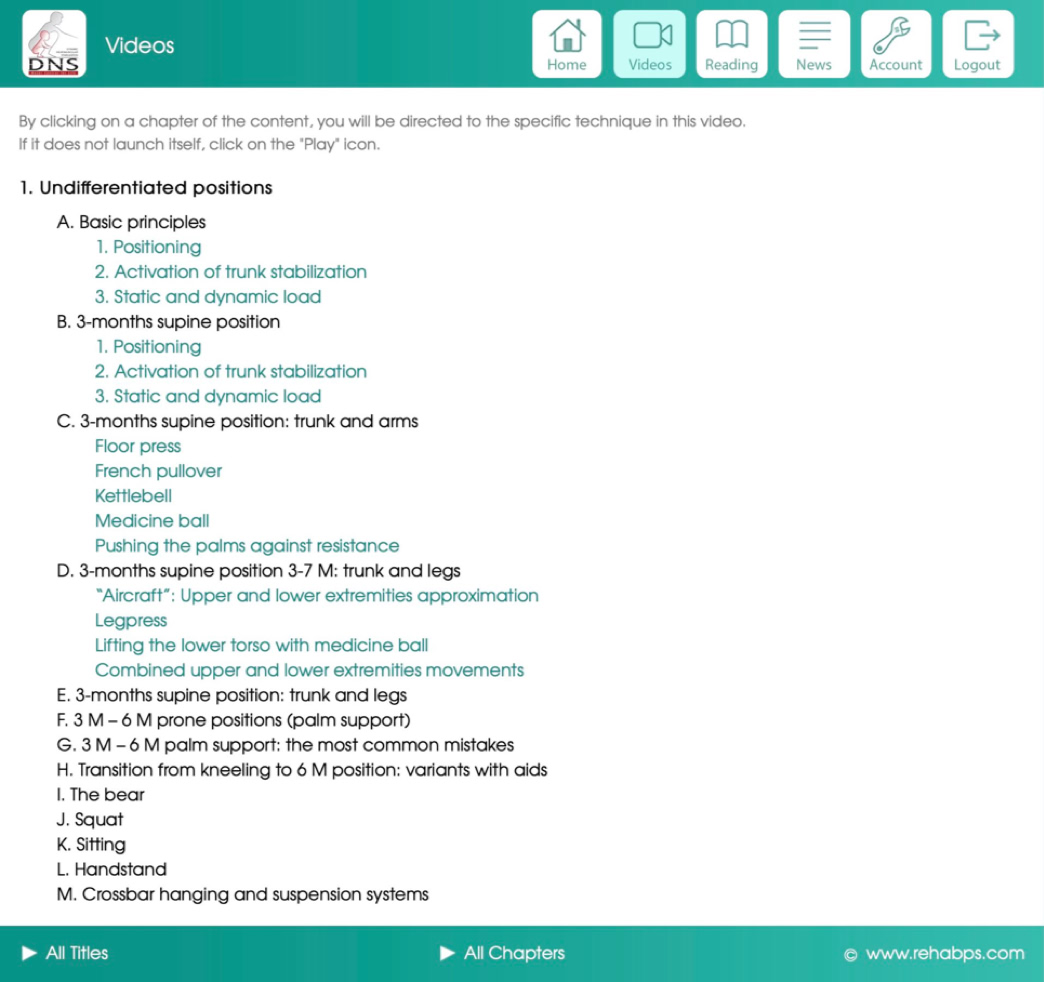
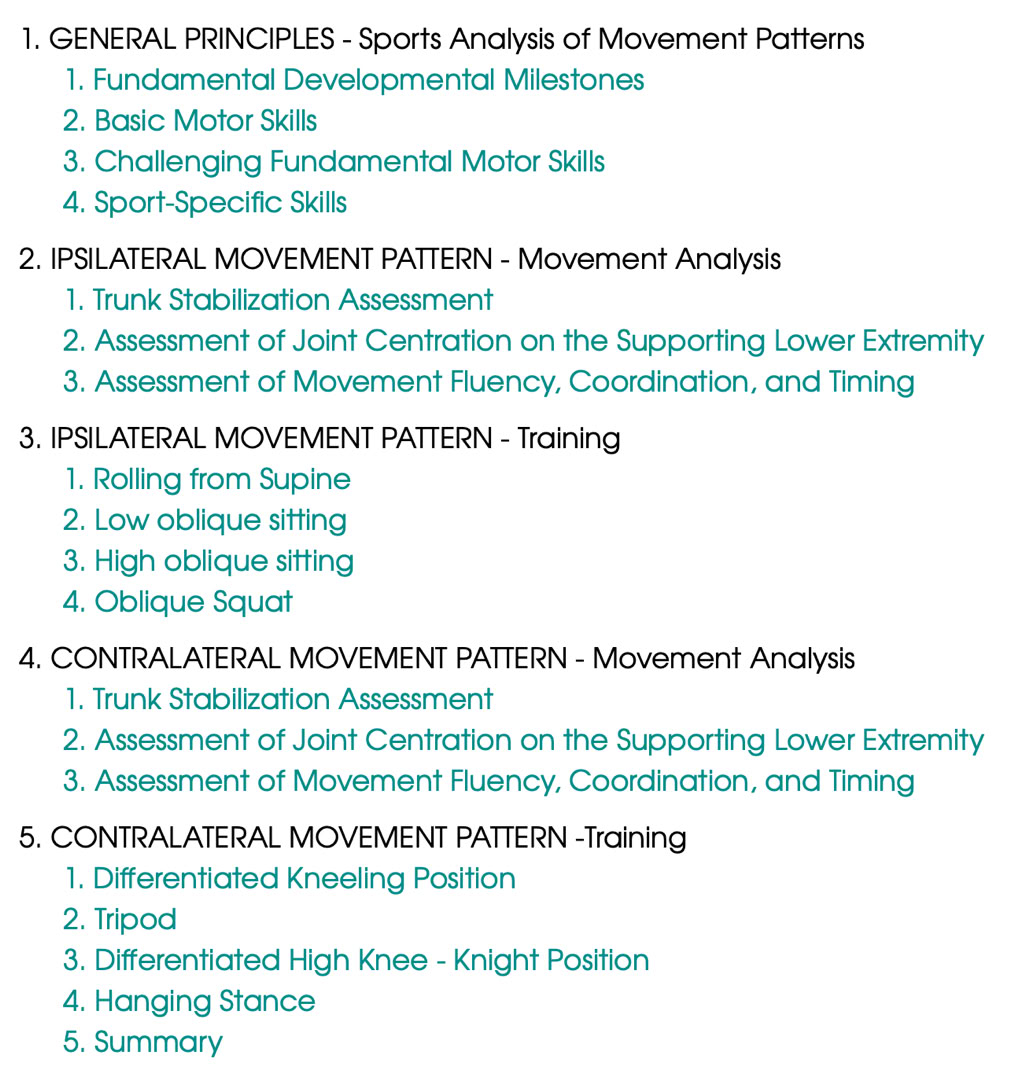
Contents:
Look for sample from Sport 2 video:
A 16-minute video demonstrating DNS application for a competitive runner to optimize athletic performance and prevent repetitive strain injury and recurrent/chronic pain.
Check out the sample from video training runner
